Yellow dog Farm will be in the Dodge Building on the hill!
ydfvt
Yellow dog Farm will be in the Dodge Building on the hill!
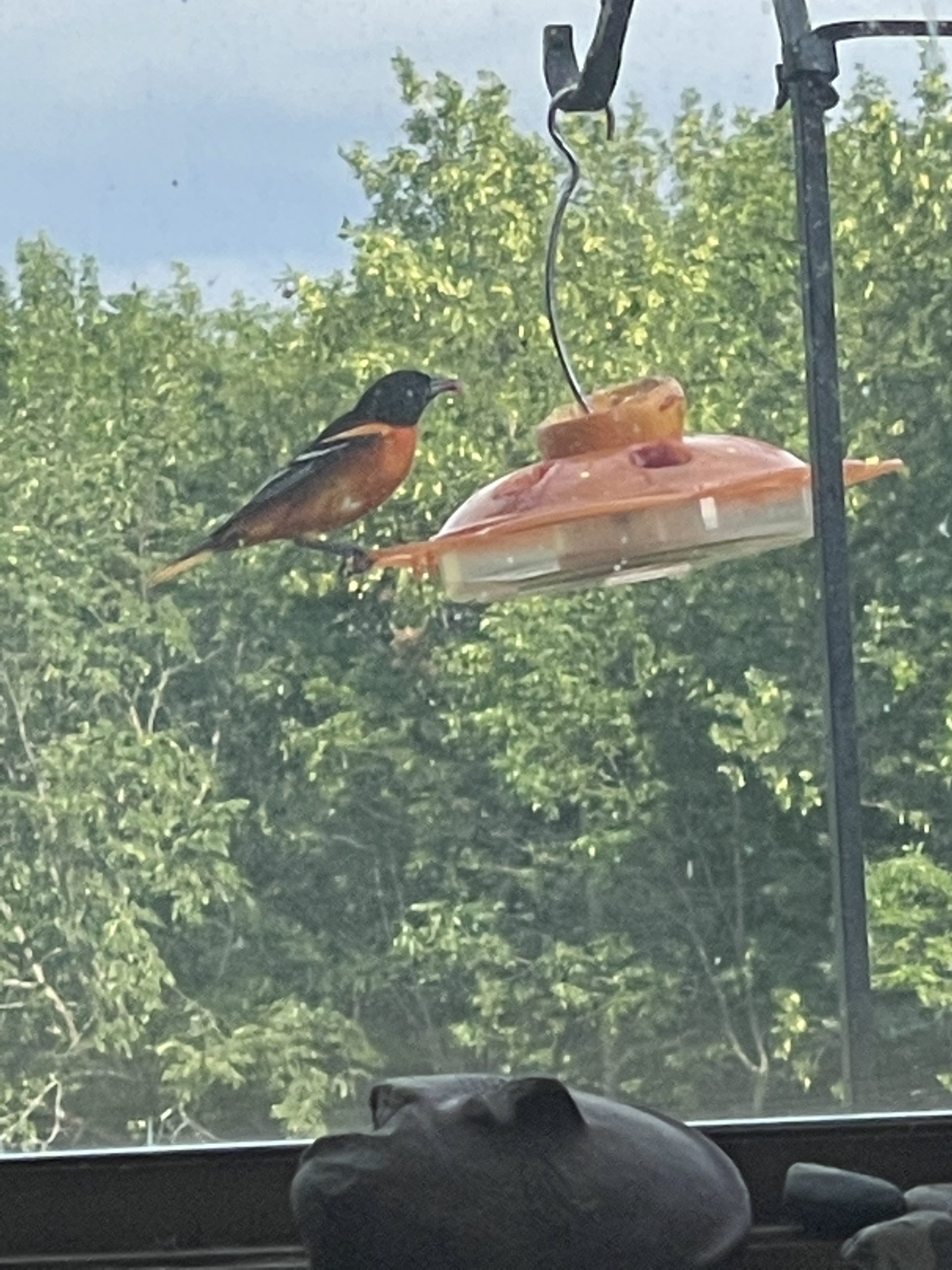
We have had a Orioles all summer long. Mamas, and Papas and wee little ones, too! They have lapped up at least 5 jars of grape jelly! If it were not for the bees taking over I would still be feeding them!
Finally, spring is here! The daffodils are opening up all around our property. Today is goat shearing day – a true sign of spring!
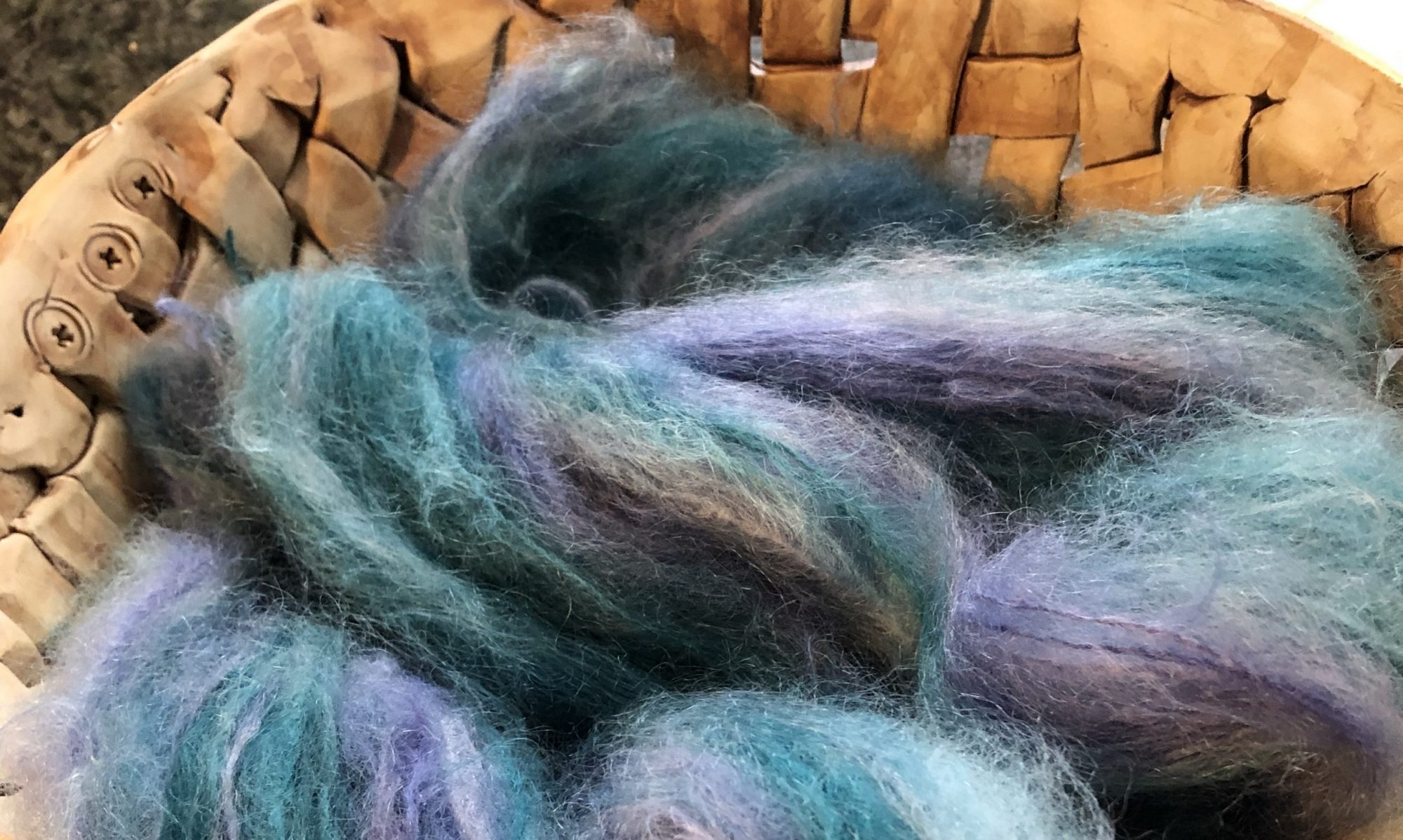
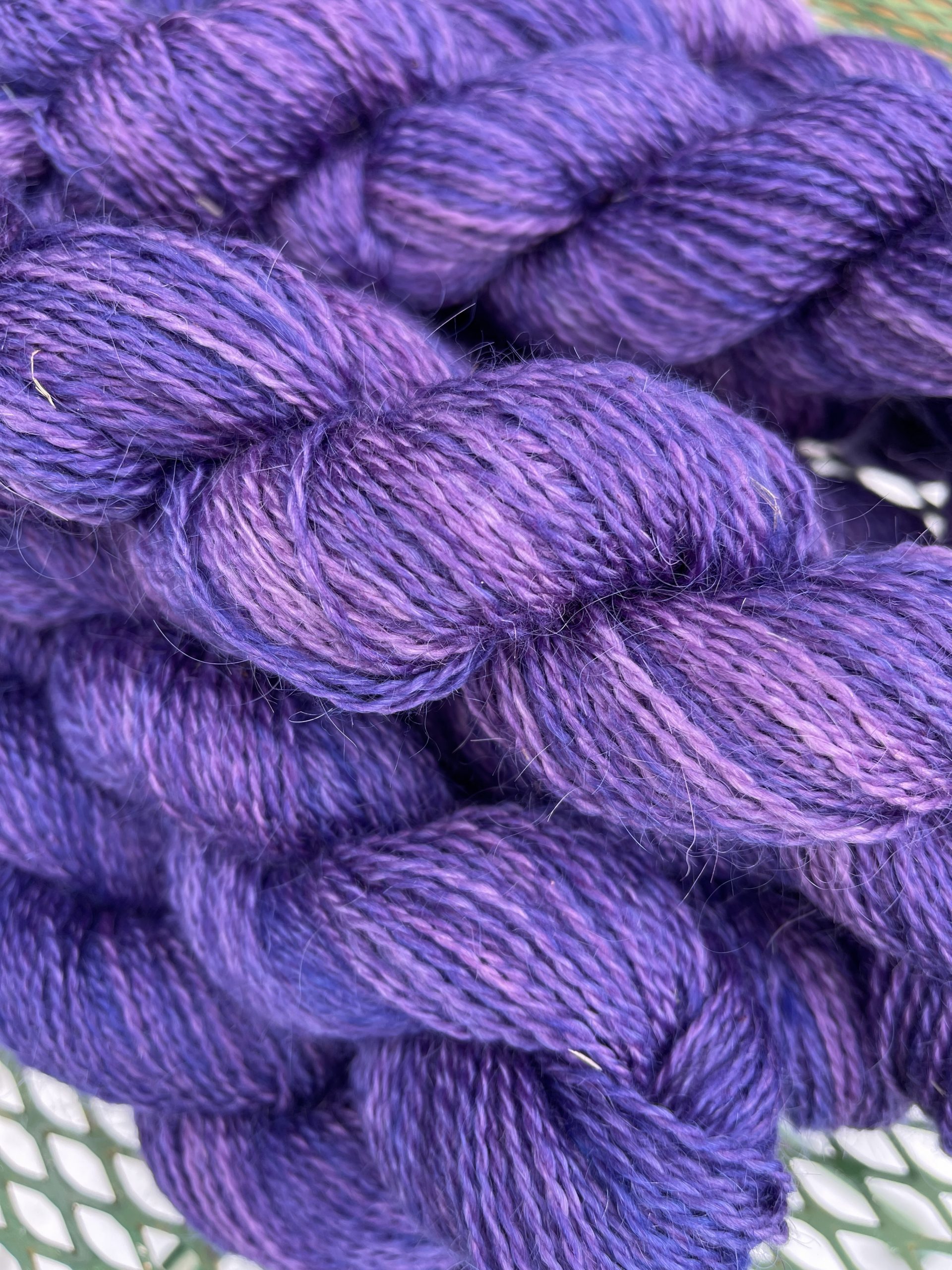
Mary Lake, will trim up our Angora goats and gather their fleece. Jim and I will scoop it up, skirt it and get it off to our favorite mill, Stonehedge Fiber Mill in Michigan. There, Debbie and her crew will blend the mohair with wool and will then spin it up into yarn for me to dye.
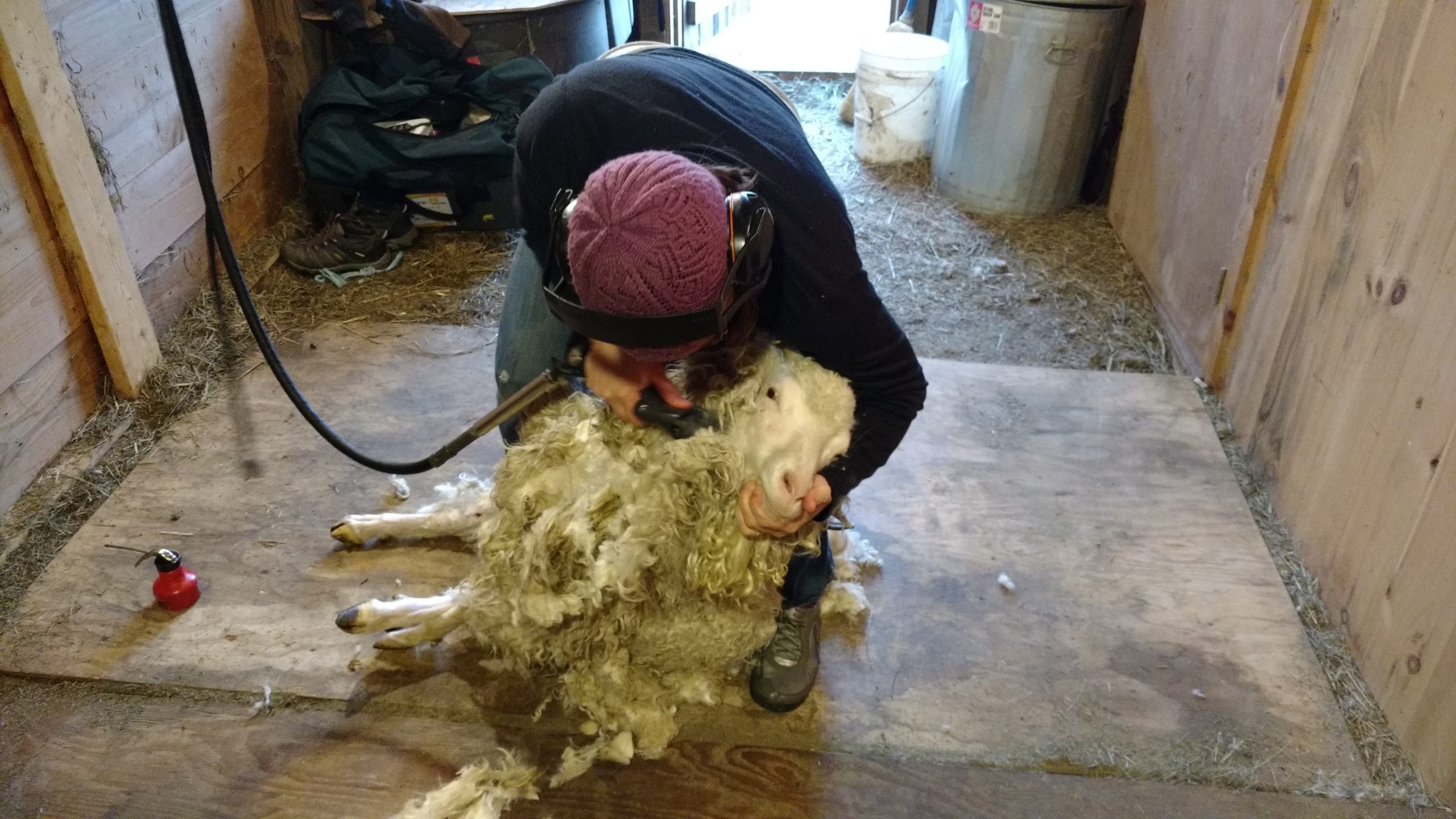
The nights are still chilly, so the goats will sleep in what we call a “puppy pile” at night now that they are sans fleece. Each goat will shear 4-6 pounds of mohair fiber- instant weight loss! And they are often unrecognizable to each other after – so they usually do quite a bit of head butting to figure it all out!
Yup. It is spring at Yellow Dog Farm!
The days are shorter and the nights are longer. Cold, wet, and stormy. Welcome to Vermont. Our chickens have begun laying eggs and finally I can no longer pick raspberries – my freezer is full!